DC Personality
Archetypes Explained
DC characters are defined not by power, but by choice.
This guide explains the personality archetypes behind DC heroes and villains—based on values, responsibility, and moral decision-making rather than strength or abilities.
This guide supports the DC Character Personality Test and is designed to help you understand why your result fits—not to label you as a hero or villain.
What Makes DC Characters Psychologically Distinct?
Unlike many fictional universes where power determines identity, DC stories consistently focus on moral tension. The central question is rarely “What can you do?” It is almost always “What should you do—and what are you willing to sacrifice?”
DC characters are shaped by:
- How they respond to responsibility
- How they interpret justice
- Whether they trust systems, ideals, or themselves
- How they handle control, freedom, and consequence
This is why heroes and villains in DC often feel psychologically close—even when they stand on opposite sides.
The 8 Core Personality Dimensions
The DC Character Personality Test is built on eight behavioral dimensions. These dimensions describe how a person makes decisions under pressure—not whether those decisions are “good” or “bad.”
Leadership
How you respond when responsibility falls on you. Do you step forward, hesitate, or resist authority altogether?
Creativity
How you solve problems. Do you rely on structure, imagination, or disruption?
Logic
How much you prioritize planning, rules, and consistency over impulse or emotion.
Emotion
How strongly feelings influence your decisions—and how openly you express them.
Social Energy
Whether you operate best alone, in small groups, or in public-facing roles.
Discipline
Your tolerance for routine, restraint, and long-term commitment.
Risk
How willing you are to act without certainty or guarantees.
Empathy
How deeply you consider the emotional impact of your choices on others.
No single dimension determines a character. It is the pattern across all eight that forms a recognizable DC archetype.
DC Archetypes: Order, Idealism, Control, and Chaos
DC personality archetypes are not moral categories. They are behavioral strategies for navigating a world with power and consequence.
Some archetypes emphasize order and structure.
Others rely on ideals and moral consistency.
Some focus on control and dominance, while others lean into freedom or disruption.
Importantly:
- An archetype can produce heroic or destructive outcomes
- Two characters may share traits but differ in boundaries
- Intent and accountability matter more than labels
Why Heroes and Villains Can Share Similar Traits
In DC, heroes and villains often start with the same core traits: Intelligence, Willpower, Conviction, and Trauma.
What separates them is not personality, but how far they are willing to go. Key differences often include:
- Willingness to accept limits
- Ability to tolerate moral uncertainty
- Respect for consequences
- Capacity for empathy under stress
Two people can value control—but one uses it to protect, while the other uses it to dominate. Two people can reject rules—but one does so to liberate, while the other does so to destroy. This test focuses on those distinctions.
What Your DC Personality Result Actually Means
Your result does NOT mean:
- × You are destined to act like a specific character
- × You share their actions, choices, or outcomes
Your result DOES mean:
- ✓ You tend to approach power and conflict in similar ways
- ✓ You rely on comparable decision-making patterns
- ✓ You may face similar strengths—and similar risks
Think of your result as a behavioral mirror, not an identity badge.
Explore DC Character Profiles
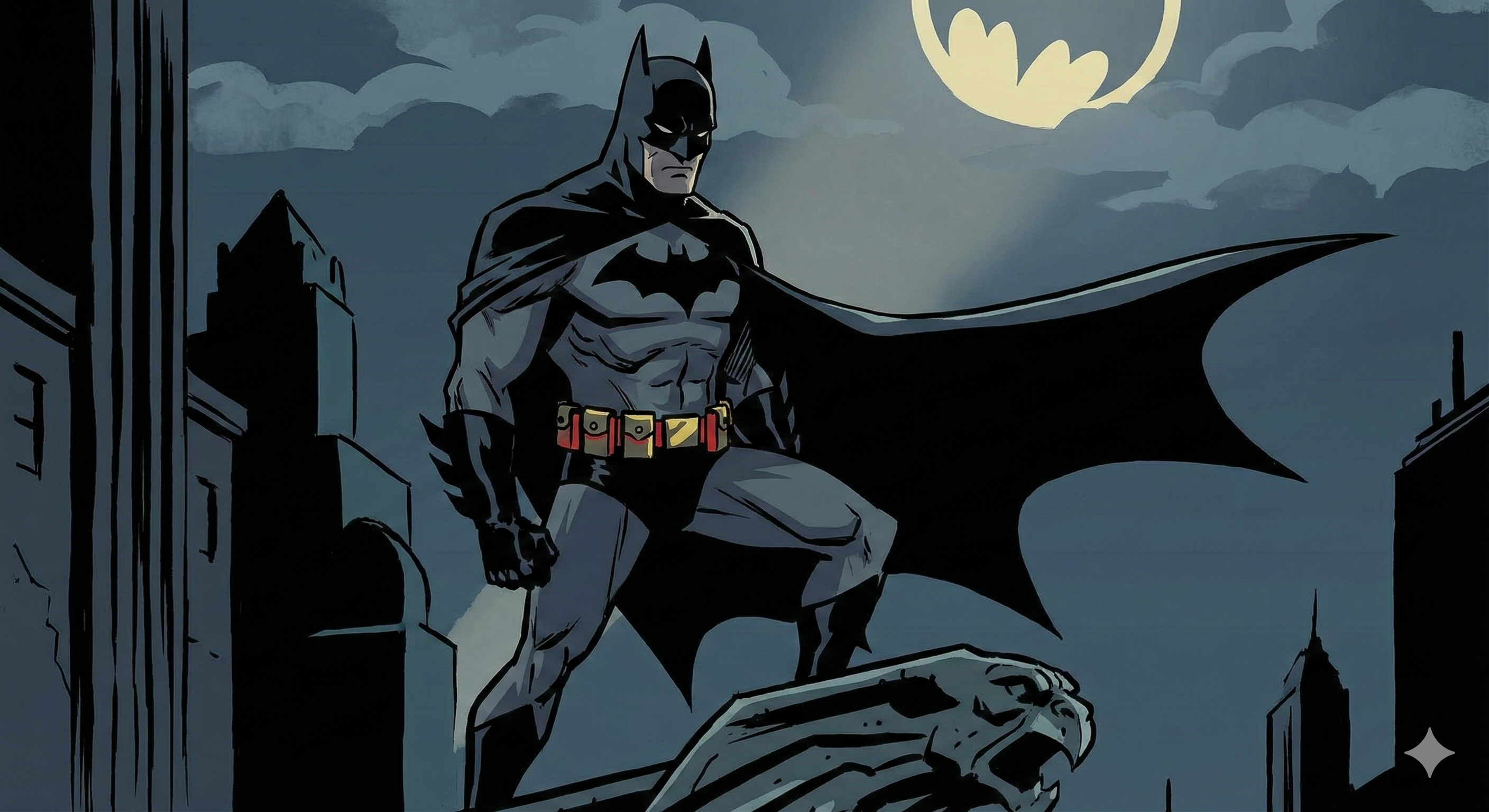
Batman
Driven by absolute will and an unbreakable code to control chaos.
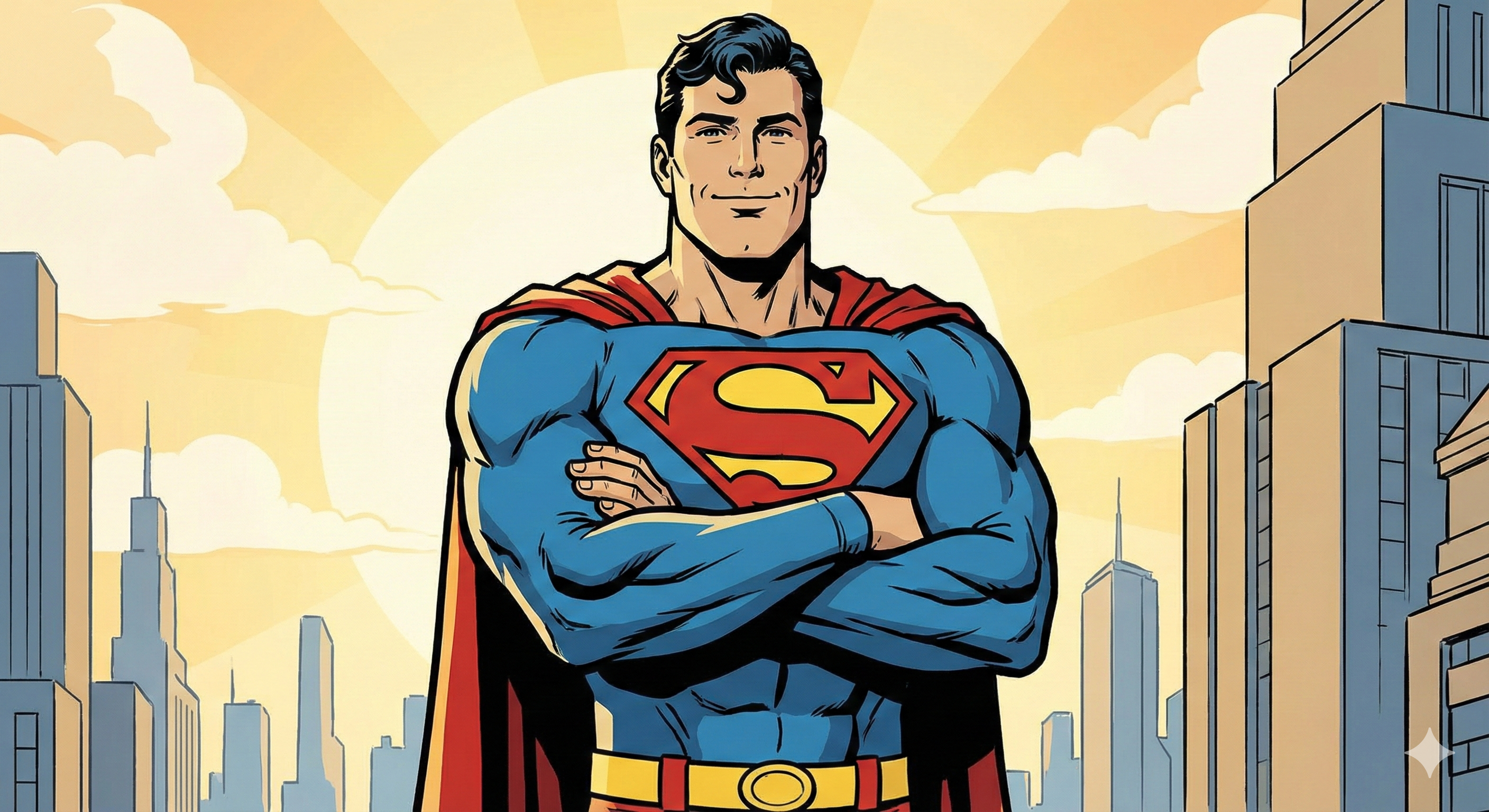
Superman
Motivated by a moral responsibility to use power for the protection of others.
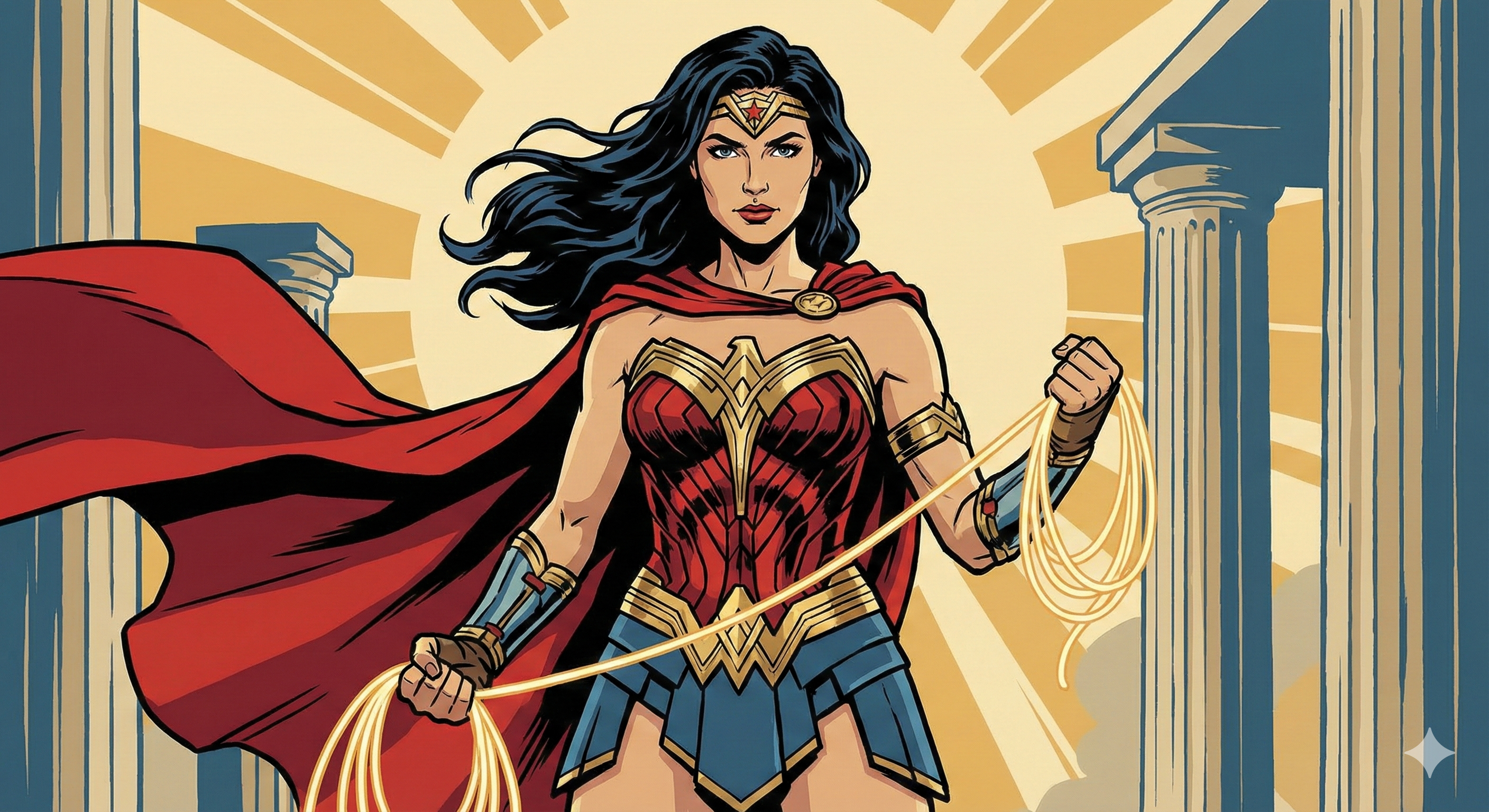
Wonder Woman
Balances warrior strength with the wisdom and compassion to seek peace.
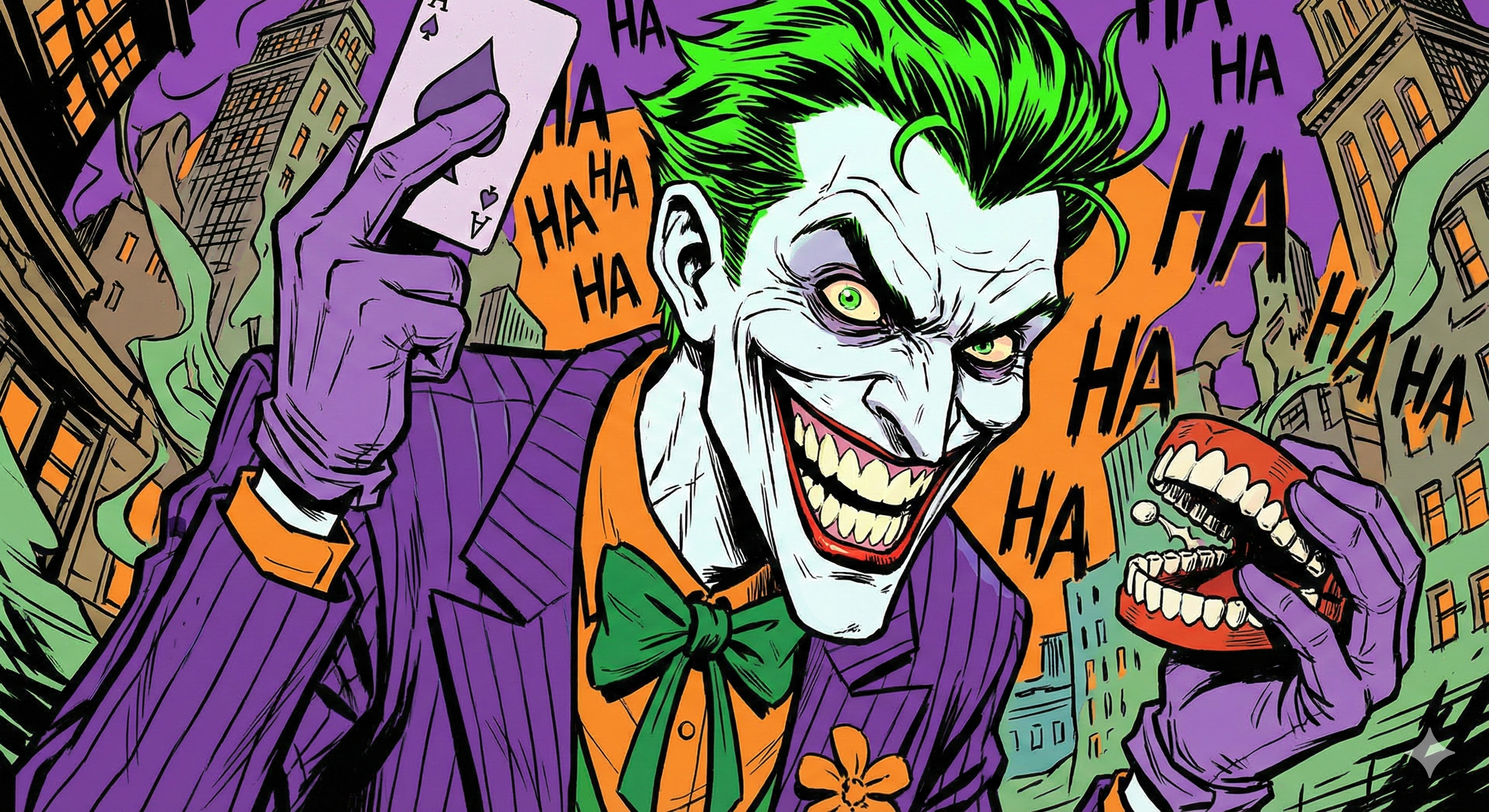
The Joker
Rejects all structure to embrace the freedom of pure unpredictability.
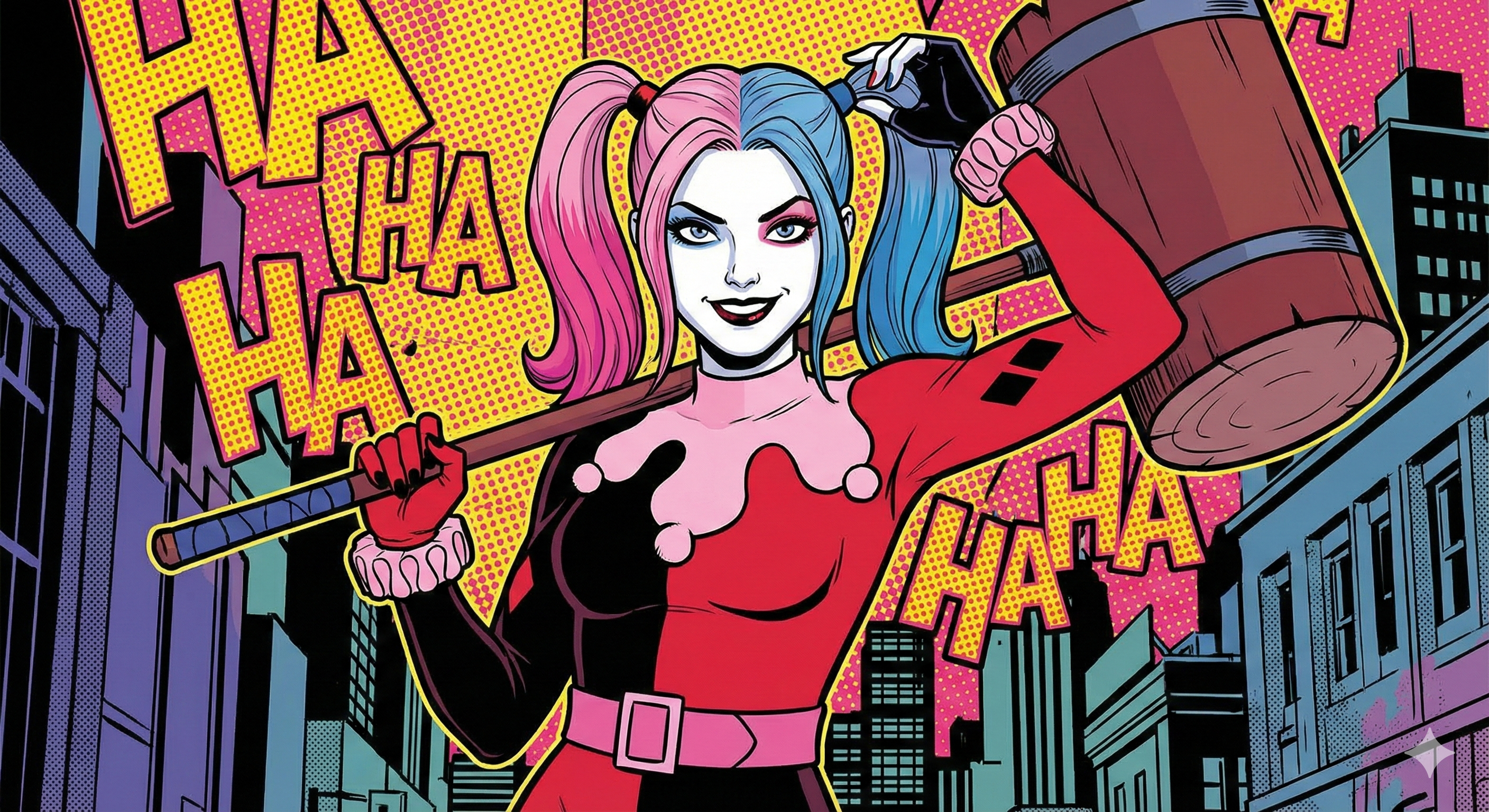
Harley Quinn
Lives authentically in the moment, prioritizing emotional freedom over rules.
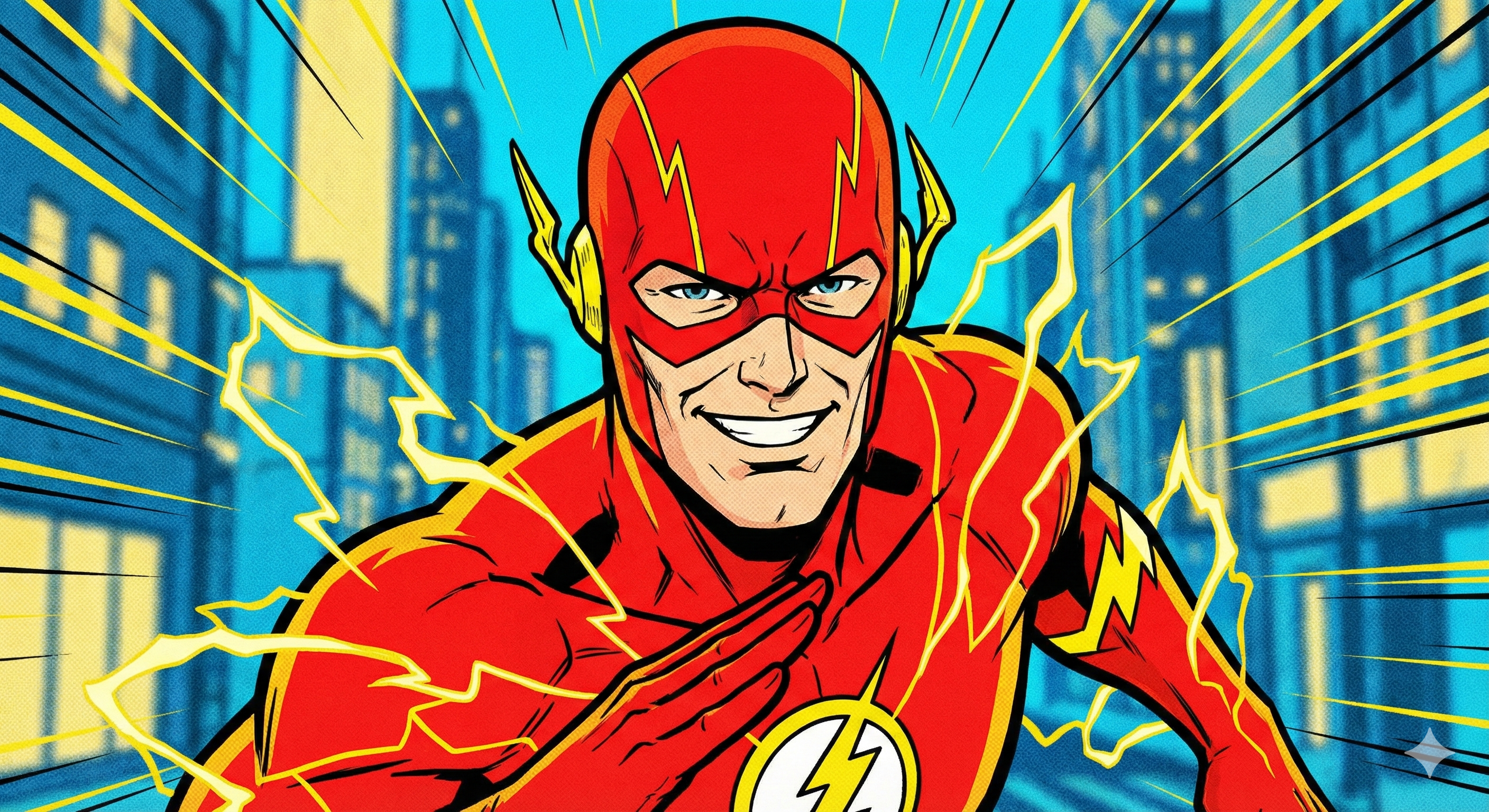
The Flash
Acts on instinct and optimism, moving forward before doubt can set in.
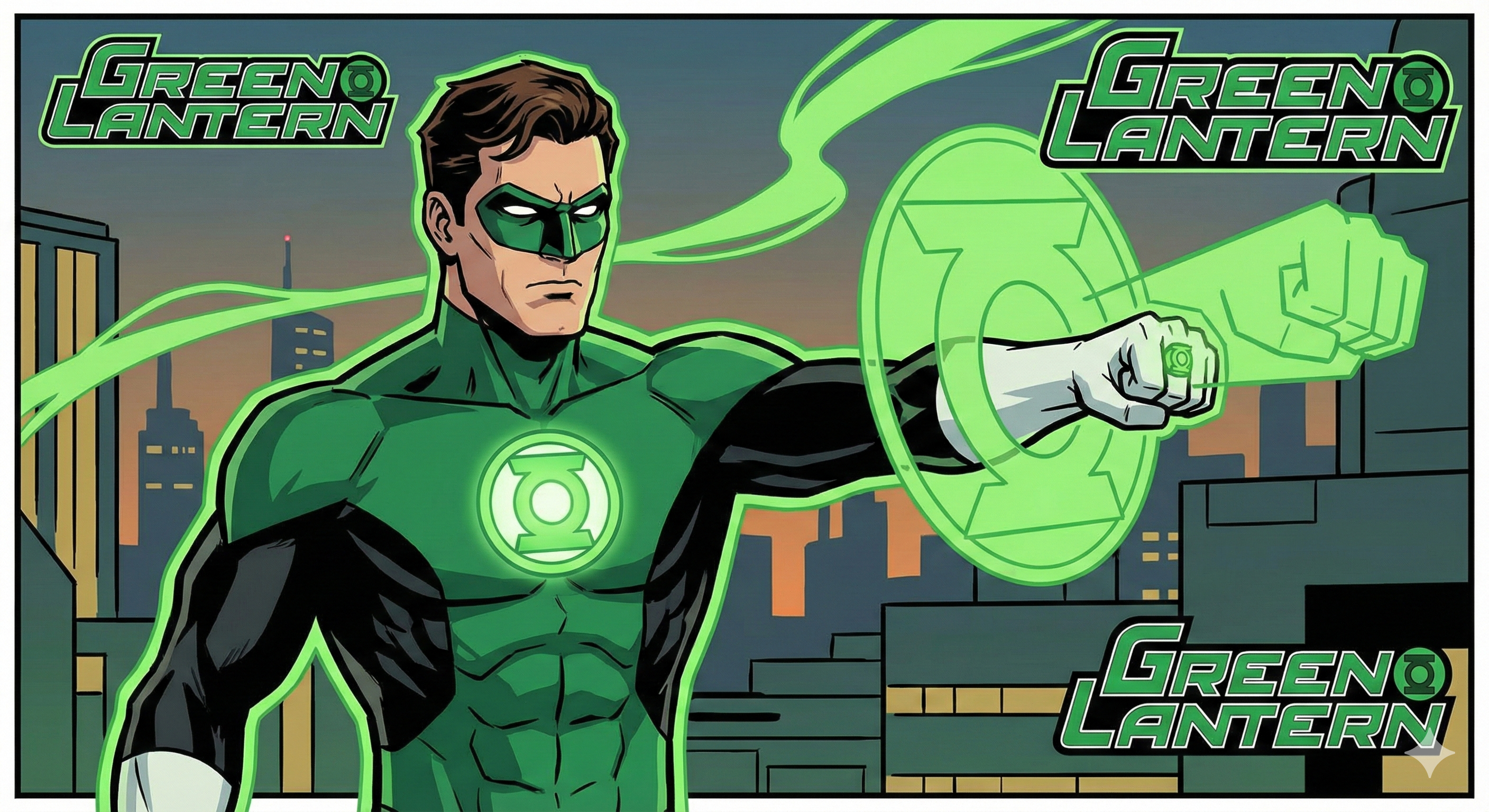
Green Lantern
Believes that reality itself can be shaped through sheer discipline and focus.
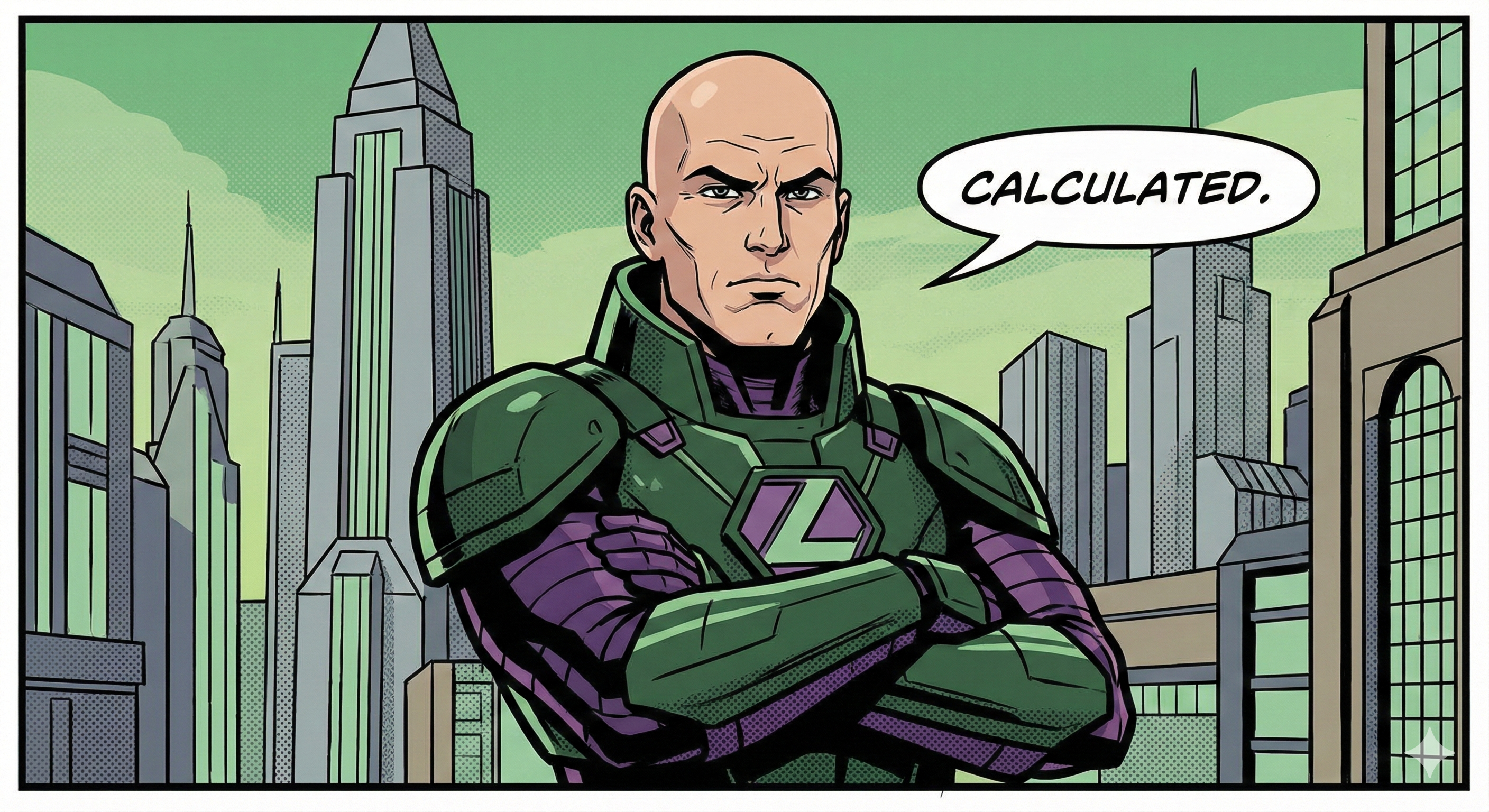
Lex Luthor
Views power as a prize for the intellect, rejecting altruism as weakness.
How to Use This Guide With Your Test Result
If you have taken the test:
- Use the Result Page to understand your dominant patterns
- Use the Similar Characters section to compare boundaries
- Use this guide to reflect on why certain traits feel familiar
If you have not taken the test:
- The test will help you see which archetype you align with
- This guide will help you understand the implications
Personality does not determine morality. Awareness determines responsibility.
Explore Further
Disclaimer: This personality guide and test are fan-inspired analytical tools and are not affiliated with or endorsed by DC Comics. All analysis focuses on personality patterns and psychological themes rather than official character canon.