Zootopia Personality Archetypes
Identity, Bias & Social Roles Explained
Zootopia is not a story about animals. It is a story about identity under pressure. This guide explains how different personality patterns respond when society expects you to be something you’re not. Each archetype below represents a psychological strategy — not a moral judgment, and not a fixed destiny.
What Zootopia Represents Psychologically
Zootopia mirrors modern social dynamics:
- Expectation vs reality
- Identity vs assigned roles
- Adaptation vs resistance
- Belonging vs self-protection
The 8 Zootopia Personality Archetypes
Each archetype reflects a distinct way of navigating bias, structure, and social pressure.
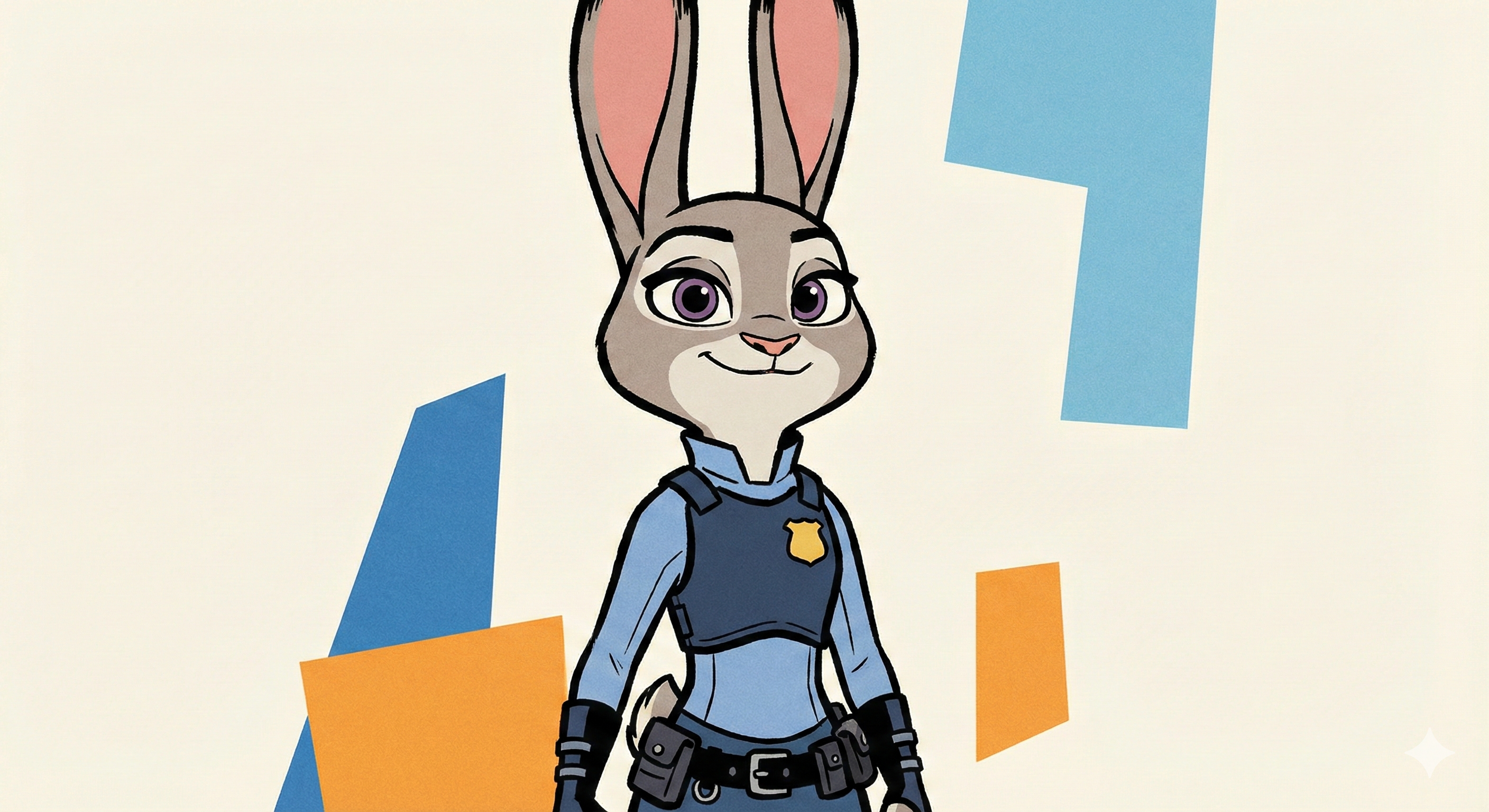
The Idealistic Challenger
Core Pattern
Driven by belief that effort and integrity should matter more than labels.
Strengths
- High resilience
- Moral clarity
- Strong internal motivation
Internal Conflict
Idealism versus exhaustion
Growth Direction
Learning when persistence is productive — and when rest is necessary

The Cautious Realist
Core Pattern
Sees systems clearly and adapts without unnecessary exposure.
Strengths
- Social intelligence
- Risk awareness
- Strategic patience
Internal Conflict
Protection versus self-expression
Growth Direction
Allowing trust without losing control

The Adaptive Survivor
Core Pattern
Adjusts behavior fluidly to match changing environments.
Strengths
- Flexibility
- Emotional regulation
- Situational awareness
Internal Conflict
Stability versus identity continuity
Growth Direction
Defining personal boundaries while remaining adaptable
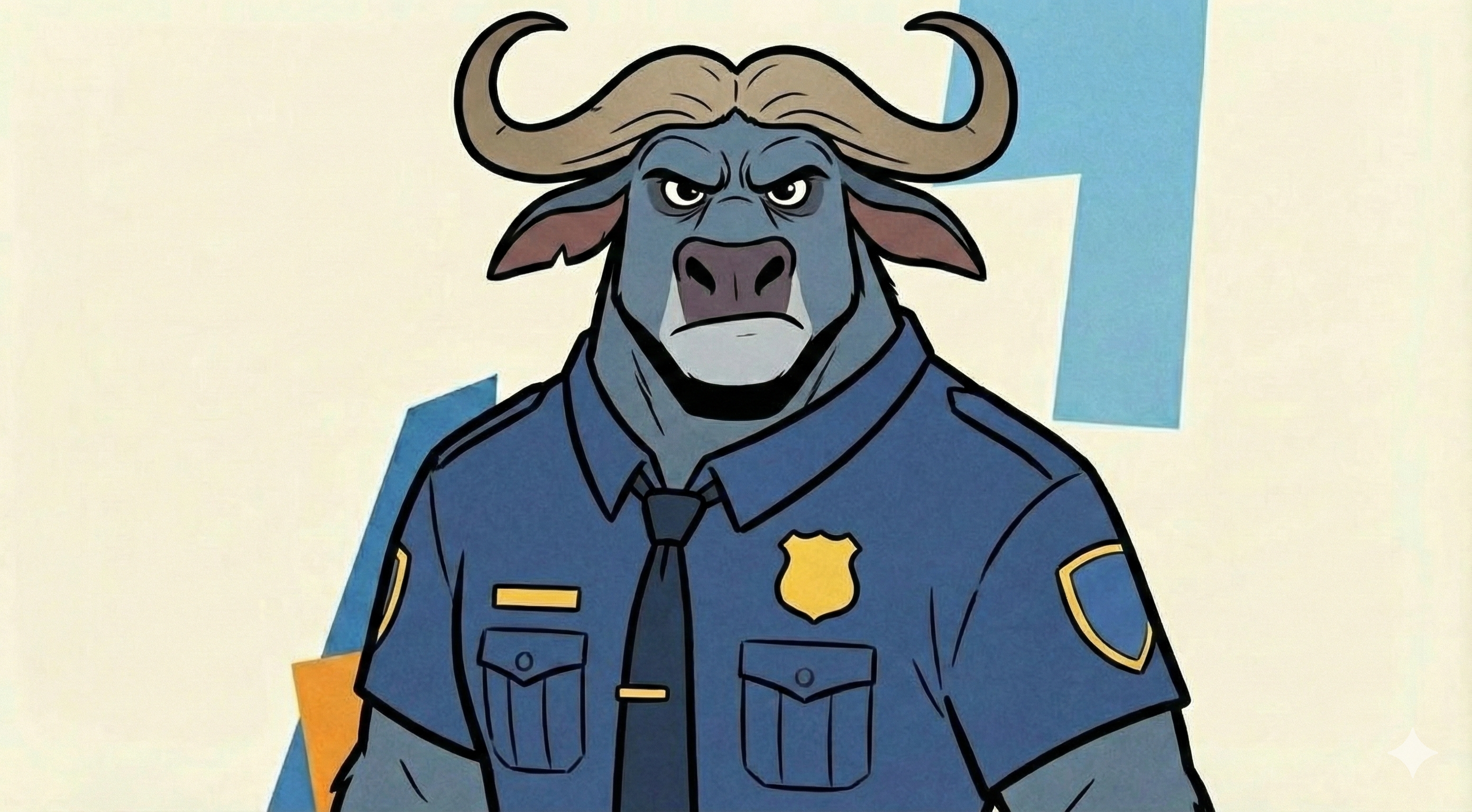
The Rule-Bound Guardian
Core Pattern
Believes structure and order provide safety and fairness.
Strengths
- Reliability
- Consistency
- Strong sense of duty
Internal Conflict
Rules versus empathy
Growth Direction
Recognizing when systems fail individuals

The Social Mediator
Core Pattern
Bridges differences and reduces tension across groups.
Strengths
- Empathy
- Communication
- Conflict resolution
Internal Conflict
Self-erasure versus harmony
Growth Direction
Expressing needs without feeling responsible for everyone

The Defensive Outsider
Core Pattern
Maintains distance to protect against rejection or harm.
Strengths
- Independence
- Boundary awareness
- Emotional self-protection
Internal Conflict
Safety versus connection
Growth Direction
Testing trust in controlled ways

The Quiet Strategist
Core Pattern
Observes patterns and acts with precision rather than volume.
Strengths
- Long-term thinking
- Analytical clarity
- Strategic timing
Internal Conflict
Visibility versus influence
Growth Direction
Allowing presence without overexposure
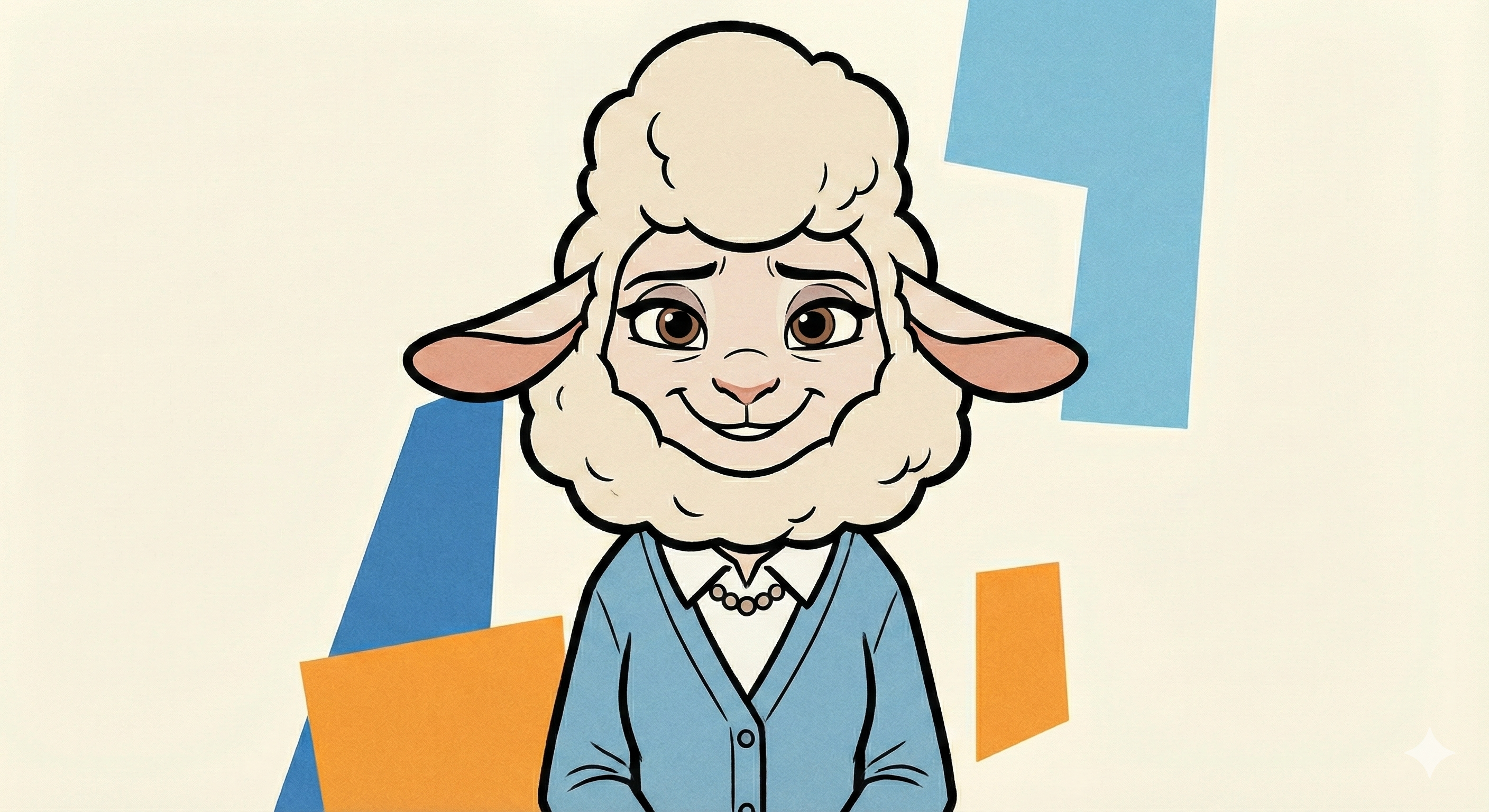
The Disillusioned Achiever
Core Pattern
Motivated by success, yet skeptical of what success provides.
Strengths
- Drive
- Competence
- Realistic assessment of systems
Internal Conflict
Achievement versus fulfillment
Growth Direction
Reconnecting success with personal meaning
How This Connects to Real Psychology
These patterns reflect established psychological themes:
- Social identity theory
- Coping mechanisms under bias
- Role internalization
- Adaptive versus defensive behavior
"They are not labels, but lenses for understanding how context shapes response."
How to Use This Guide
- Read your own archetype first
- Explore neighboring archetypes to understand alternatives
- Notice which patterns feel protective and which feel limiting
Understanding your pattern is not about changing who you are — it’s about choosing when to stay the same and when to adapt.